No one earns their crow’s feet or smile grooves by mistake. They come from stories, squinting into sunsets, real laughter. The goal of Botox is not to erase a life well lived. When done well, it softens the distractions and keeps the character. I have treated thousands of eyes and smiles, and the most satisfied patients do not look frozen or wide eyed. They look like themselves on a full night’s sleep.
This guide walks through how Botox works for crow’s feet and smile-related lines, what to expect from a botox appointment, who makes a strong candidate, common mistakes to avoid, and how to choose a trusted botox provider. You will also find realistic timelines, a clear view of botox cost ranges, and how Botox fits with fillers, lasers, and skincare for a comprehensive plan.
Why crow’s feet and smile lines form
Crow’s feet are the fan of fine lines that radiate from the outer corners of the eyes when you smile, squint, or laugh. The underlying muscle, the orbicularis oculi, contracts to blink and protect the eye. Over decades, that repetitive motion etches lines into skin that has thinned from sun exposure and collagen loss. Genetics and habits play a part. People who spend years outdoors without sunglasses usually show earlier and deeper lateral eye lines. Smokers often develop more pronounced fine crinkling due to repeated puckering and reduced skin oxygenation.
Smile lines are a broader phrase. Most people mean one of three things:
- The lateral eye lines that crinkle when smiling - true crow’s feet. The nasolabial folds, the parentheses from nose to mouth - these deepen with volume loss and gravity, and Botox is not the first choice here. Small lines around the mouth from smiling, pursing, or speaking - these can include lip lines, pebbling of the chin, and downturned mouth corners. Botox can help some of these by relaxing overactive muscles, but finesse matters to keep your smile natural.
Understanding which “smile line” you want to treat is the start of a good botox consultation. A certified botox injector will map movement patterns on your face and match treatment to anatomy, not to buzzwords.
How Botox actually works
Botox Cosmetic is a purified neurotoxin protein that temporarily relaxes targeted muscles. It blocks the chemical signal between nerve and muscle at the injection site. For crow’s feet, relaxing the outer fibers of the orbicularis oculi softens the squeezing that creases the skin. When injected with precision, it preserves your genuine smile yet reduces the heavy crinkling at rest and in motion.
Onset is gradual. Most see a noticeable change by day three to five, with peak effect around day 10 to 14. Results typically last 3 to 4 months, sometimes a bit longer in those who metabolize slowly or after several consistent treatment cycles. Maintenance is straightforward. Many patients book a botox follow up at three months to keep results steady rather than waiting for full movement to return.
Botox for crow’s feet is considered a minimally invasive, non surgical treatment with no incisions and minimal downtime. The treatment session itself takes minutes. With a professional botox approach, dosing remains conservative at first, then calibrated at your two week check.

What a typical treatment involves
The process starts with a botox consultation. You and your botox provider review medical history, medications, past botox results, and your priorities. I ask patients to over smile and squint to map dynamic lines, then relax so I can note static creases. I also look for asymmetry, brow position, and whether the cheeks lift strongly during a smile, which affects safety and dosing.
For crow’s feet, common dosing falls in the range of about 6 to 12 units per eye, often split into three to five microinjection points per side. Someone with petite features might do well with 4 to 8 units per side. Someone with strong lateral squeeze might need closer to 10 to 12 units per side. Quality is not only about the botox price, it is also about technique. Small adjustments in depth and vector change everything.
For smile-related areas around the mouth:
- Fine lip lines may respond to a light sprinkle, often 2 to 6 units total to soften bar code lines without impairing speech or drinking from a straw. A lip flip uses 4 to 8 units at the border of the upper lip to relax the pull that tucks the lip inward. It does not add volume like filler. Its effect is subtle and lasts about 2 months, sometimes 3. Downturned corners from an overactive depressor anguli oris can lift with about 2 to 4 units per side, placed low and laterally. Too much risks a crooked smile, which is why experience matters. Pebbled chin, caused by the mentalis muscle, may soften with 4 to 8 units total.
For nasolabial folds, since these are volume and ligament related, Botox is not the primary tool. Dermal fillers, collagen stimulating devices, or surgical lifts address this better. A skilled botox doctor will steer you away from poorly chosen botox services and toward what will truly help.
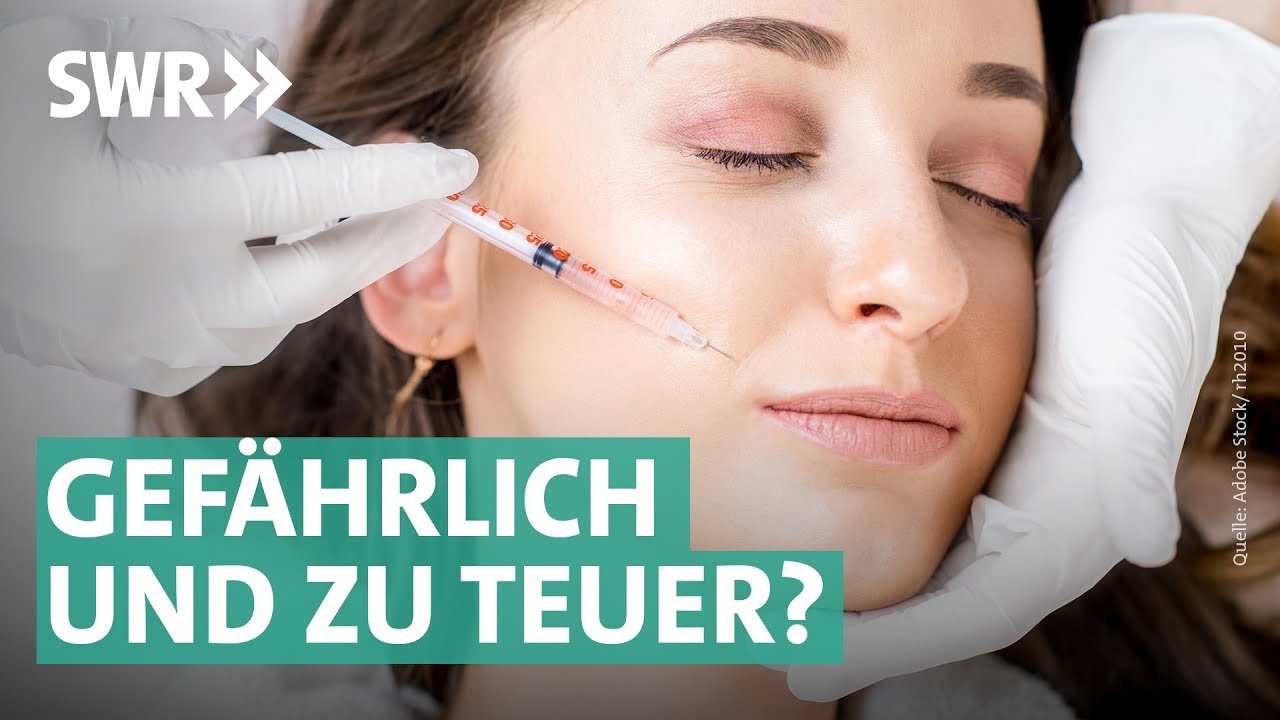
The botox procedure itself is quick. Numbing cream is rarely needed for crow’s feet. Patients describe the sting as a mosquito bite. Expect small bumps at each injection spot that settle in 10 to 30 minutes. Makeup can go on gently later that day if the skin is intact and clean. Most return to work immediately. That is why many search for botox near me that offers a botox same day appointment or a botox quick treatment over lunch.
What results look like
The most common feedback 2 weeks after botox for crow’s feet is, “I still look like me, just softer.” The fan of lines at the eye’s lateral edge look less etched, and eye makeup sits better. In photos, light reflects more evenly, reducing that crumpled highlight that makes eyes look tired.
For the mouth and smile, lighter dosing is key. A small relax in the corners can take away the resting frown without blunting expressiveness. With lip lines, the aim is not to erase every crease, which often looks odd. It is to reduce the accordion effect so lipstick stays put and the surface looks smoother. When reviewing botox before and after photos, look for natural folds that still bend, just less sharply.
I counsel patients to judge results in three stages. First, the five day mark where changes begin. Second, the two week peak when we evaluate fine tuning. Third, the three month fade where you decide on maintenance. If you time your botox appointments around events, schedule the botox session at least two weeks prior so you are at peak effect and any small bruise has cleared.
Safety, side effects, and what to avoid
Botox has a long safety record when performed in a licensed botox clinic by a trusted botox provider. The dose used for facial aesthetics is tiny compared to therapeutic doses used for migraines or spasticity. That said, respect for anatomy is non negotiable.
Common, mild effects include redness, small bumps, or a pinpoint bruise. Temporary headache can occur. Rare but important risks for the crow’s feet area include a temporary asymmetric smile if botox diffuses into the zygomaticus muscles, or dry eye if the orbicularis is over relaxed and blinking weakens. Both are preventable with careful placement and conservative dosing. This is part of why a certified botox injector will ask about dry eyes, contact lens use, and prior eyelid surgery. If you already struggle with ocular dryness, we might lower the dose and recommend aggressive lubrication for the first week.
Around the mouth, the biggest risk is overdosing. Too much botox in the lip border can make sipping from a straw awkward. Too much at the corners can make a smile look uneven for weeks. A light, measured approach is not cautious for its own sake. It is the difference between refinement and regret.
Absolute contraindications include pregnancy, breastfeeding, active skin infection at the treatment site, and certain neuromuscular disorders. If you take blood thinners, you can still have botox cosmetic injections, but expect a slightly higher chance of bruising. Pausing elective supplements known to increase bruising, like fish oil or ginkgo, for a week before your botox appointment can help, but always coordinate with your prescribing clinician.
A realistic look at cost and value
Most clinics in the United States charge by the unit. Typical botox cost ranges from about 10 to 20 dollars per unit, with many urban centers averaging 12 to 18. Crow’s feet commonly require 12 to 24 units total, which puts the botox price roughly between 150 and 450 dollars depending on geography, injector experience, and whether you are visiting a medical spa or a top botox clinic. Smile line related dosing is usually lighter, so the price is often lower.
Some clinics offer botox deals, botox offers, seasonal botox packages, or membership pricing. Discounts can be fine if product authenticity and injector skill are clear. Allergan and other manufacturers run reward programs that can shave 20 to 60 dollars off a session. Be wary of cheap botox that seems too good to be true. Product dilution, counterfeit vials, or inexperienced technique can cost more in touch ups or weeks of awkward expression. Affordable botox should still be professional botox.
If you prefer predictability, ask about a botox treatment plan that includes your likely yearly total and planned botox maintenance visits. Many patients budget for three to four sessions a year. That cadence keeps results steady without rollercoaster swings.
The appointment day and the week that follows
Here is a concise, practical sequence most of my patients follow. It keeps the experience smooth without excess rules.
- Arrive makeup free around the eyes and mouth, or bring a clean face towel and allow five minutes to cleanse. Review your treatment plan, ask last minute questions, and confirm dosing. Good records matter for botox follow up. Expect 5 to 10 minutes of injections. You may feel quick pinches and pressure. Ice can soften the sting. Stay upright for 3 to 4 hours, avoid heavy workouts that raise heart rate for the rest of the day, and do not massage the treated spots. If a small bruise appears, use concealer the next day and avoid blood thinners if your doctor agrees. If you get swelling, a cool compress helps for short intervals.
Most patients describe botox downtime as essentially none. You can return to your routine immediately, with minor adjustments. If you have a special occasion, avoid new skincare acids and tools for two days so you do not irritate the needle sites. Plan photos for two weeks out, not two days.
Matching treatment to your face, not a trend
Two people can need entirely different strategies for the same complaint. A runner with a thin face and sun freckles may want conservative botox for crow’s feet, plus a skincare plan that leans on vitamin C, a broad spectrum sunscreen, and a mineral eye shield for morning runs. Another patient with a fuller face and strong smile muscles might do better with a slightly higher dose laterally to control bunching, plus a fractional laser around the eyes to improve surface texture.
For “smile lines,” I often spend half the consult clarifying goals. If the concern is creasing that shows even at rest along the outer eye, Botox shines. If the concern is deep nasolabial parentheses, filler in the midface, lift of the lateral cheek, or energy based tightening will change the folds more than botox therapy. If the concern is a downturn at the corners, a few units to the depressors plus a microdrop of filler at the corner can lift the mood of the mouth. Precision beats volume every time.
Men, women, and dosing nuance
Botox for men is not just the same plan with more units. Men often have thicker skin and stronger muscles around the eyes, which can require modestly higher dosing for the same effect. But the aesthetic target can differ. Many men want to keep a bit more lateral crease to avoid looking overdone, while women frequently request a smoother canvas for concealer and liner. Botox for women can also incorporate brow shaping. A subtle botox eyebrow lift or brow tail lift creates light and a tidier lid space. This is achieved by relaxing specific parts of the orbicularis and the frontalis, not by a single injection. The difference between a tasteful brow lift and a surprised look comes down to placement and restraint.
How to evaluate a provider without guesswork
Finding a trusted botox provider takes more than typing botox near me and clicking the first ad. Look for a licensed botox clinic with a track record of safe, natural results and consistent botox reviews. Ask who does the injections and how often they treat the eye area each week. High volume in the exact zones you want treated correlates with better outcomes, because crow’s feet and perioral lines require finesse.
A brief checklist can help you compare.
- Training and experience: Board certification in a relevant specialty and hundreds of botox cosmetic injections monthly is a strong sign. Product and transparency: Vials opened in front of you, clear unit dosing, and documentation for your records at every botox session. Portfolio and aesthetics: Before and after examples that match your age, skin type, and goals, not just dramatic photos. Communication: A measured plan that starts conservative, offers a two week touch up, and sets realistic expectations for botox results and duration. Safety infrastructure: Clean, medical setting with resuscitation basics, consent forms, and a direct line for post treatment questions.
Your gut matters. If you feel rushed or pressured by botox specials with expiring timers, walk away. The best botox is planned, not pushed.
Myths that derail good decisions
“Botox will make me expressionless.” At poor doses or with blunt technique, that can happen. Placed well, crow’s feet soften while your smile still reads as genuine. People will tell Scarsdale NY botox you that you look rested, not altered.
“Once you start, you can never stop.” You can stop anytime. Your muscles gradually regain function. Some lines can look better long term because you unlearn deep scrunching while botox is active, similar to how a frown line habit fades.
“Botox is only for deep wrinkles.” It excels at dynamic lines created by motion. Intervening before lines etch deeply often means you need less product over time and get more natural results.
“Fillers fix everything.” Fillers add or restore volume. They do not quiet muscle motion. Around the eyes, most people need either Botox alone or Botox plus skin treatments, not filler right at the crow’s feet, which risks bumpiness and swelling.
“Any injector can do crow’s feet.” The lateral eye is a high expression, high stakes zone. Tiny misplacements can affect smile balance or blink strength. Choose an experienced botox doctor who treats this area daily.
Timing, maintenance, and building a plan
Think of botox facial treatment as one tool in a plan that adapts with seasons and life. Many patients choose a three or four times per year schedule. Dose may change slightly based on stress, travel, or training blocks. If you have a photoshoot or a wedding, book your botox appointment 2 to 4 weeks ahead. If you had a recent illness, sinus pressure, or eye dryness, tell your injector so they can adjust.
Your skin needs attention beyond injections. Daily sunscreen around the eyes, a gentle retinoid if you tolerate it, and an antioxidant serum change the background quality of the skin that Botox works on. For lines etched at rest, consider devices that increase collagen, like fractional lasers or microneedling radiofrequency, spaced a few months apart from your botox sessions. For pronounced texture at the outer eye, a series of low energy fractional treatments can make makeup glide and make each botox cycle look better and last longer.
If you also grind your teeth or have a square jawline, masseter botox can slim the lower face and reduce tension headaches. This does not replace crow’s feet treatment, but it can harmonize the overall facial shape. If you suffer from migraines or hyperhidrosis, ask whether therapeutic botox options might integrate with your cosmetic plan. Insurance coverage rules differ, and doses are higher, so a separate consultation is essential.
When Botox is not the first step
Sometimes the best advice is, not yet. If your primary concern is crepey skin with fine etched lines radiating under the lower lid, Botox provides incomplete help. You might start with skin tightening treatments, platelet rich plasma under eye injections, or a light resurfacing laser. If your brow sits low and crowds the upper lid, a surgical brow lift or eyelid procedure can be a better anchor, with botox maintenance afterward.
If you have significant asymmetry from prior surgery or nerve injury, Botox can still help, but the plan becomes customized with staged treatments and small test doses. In these edge cases, an experienced botox specialist will photograph and measure smile angles and may use temporary saline “test blebs” to simulate relaxation before committing to a full dose.
What separates an excellent result from an average one
Three things matter to me above all: respect for facial language, microdosing where it counts, and following the anatomy of light. Respect for facial language means leaving movement where your personality speaks, like the soft upturn at the corner of your eye when you see someone you love. Microdosing keeps edges of movement intact so expressions bloom and fade naturally. Following the anatomy of light means positioning relaxation so light reflects in smooth planes at the temples and cheekbone while avoiding a flat, uniform sheen that screams overtreated.
Patients notice these differences, even if they do not know the technique behind them. They simply say, this looks like me on my best day. That is the measure.
A note on logistics, booking, and reviews
When you search for a botox clinic or a botox injection clinic, the options can feel overwhelming. Start with physician led practices or a botox aesthetic clinic with medical oversight. Read botox reviews, but look for patterns in botox ratings rather than isolated raves. Do they mention careful mapping, clear instructions, and results that lasted about three to four months? That consistency suggests a reliable, trusted botox provider.
Booking is usually simple. Many clinics now offer botox online appointment requests. If you are new, plan for a 30 to 45 minute first visit that includes a full evaluation and photographs. Follow ups are quicker. A licensed botox clinic should keep detailed records of your units, sites, and response so the next botox session improves on the last. A personalized botox treatment plan should reflect your goals, budget, and schedule, not the clinic’s inventory.
Final practical pointers from the chair
- Do not chase “instant results.” Expect visible results at day five and the real evaluation at two weeks. Touch ups belong at that visit, not on day two. If you hope for long lasting results, think consistency, not mega doses. Regular, moderate treatments train the muscle pattern and keep expression natural. Photos matter. Agree to standardized before and after images. They help with future dosing and are far more accurate than memory or mirrors. Share everything. Recent dental work, planned travel, new supplements, and any eye dryness change your ideal approach. Keep your standards. Professional botox with an experienced injector is a medical procedure. Treat it with the same care you would any other.
Crow’s feet and smile related lines tell a story, and you get to edit it. Botox is a precise eraser, not a delete key. With a certified botox injector, a thoughtful plan, and respect for your face’s language, you can smooth the noise and keep the music. Whether you are seeking a subtle freshening for the work week or preparing for a big celebration, the right botox provider and a tailored, customized plan make all the difference.